Vintage Style Papers Vol. 8 | Collection: Authentic Textures
In a digital landscape saturated with clean lines and flawless vectors, there's a growing hunger for the tangible, the weathered, and the genuinely historical. Whether you are a graphic designer curating assets for a client’s brand identity or a crafter compiling a junk journal, the search for backgrounds that don't look "computer-generated" is constant. This is where the Vintage Style Papers Vol. 8 | Collection enters the conversation. It isn't just a set of digital files; it is a toolkit designed to bridge the gap between modern digital convenience and the aesthetic depth of aged paper.
The Aesthetic: Swirly Watercolor Meets Grungy Reality
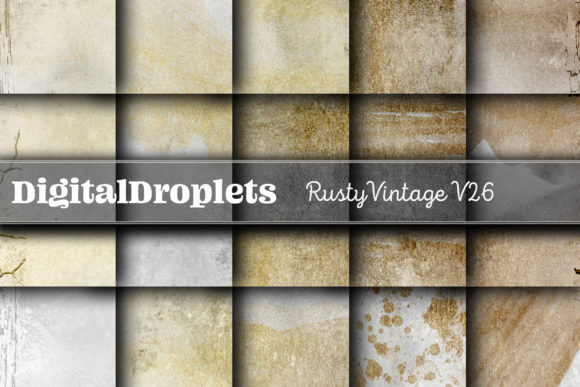
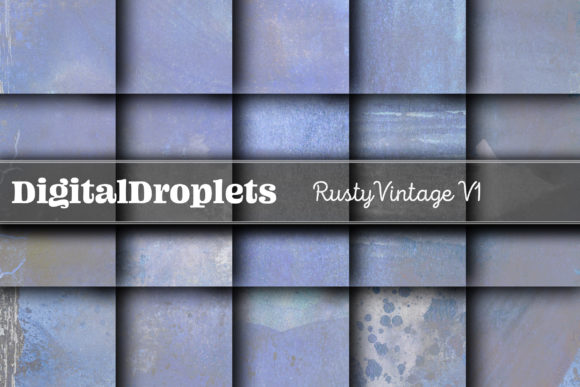
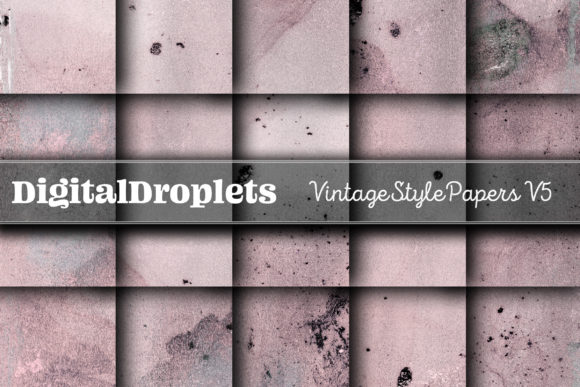
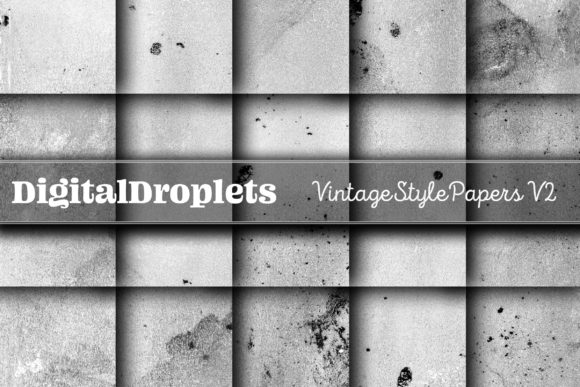
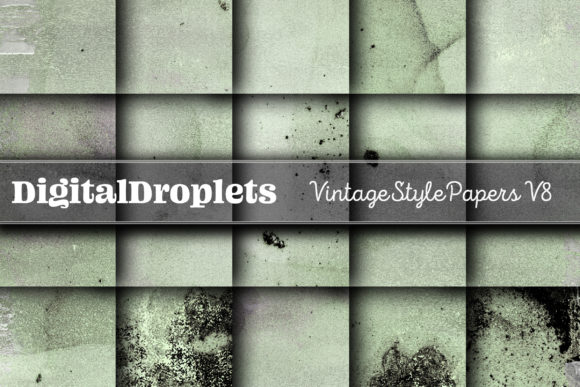
When we talk about "vintage" in modern design, we often risk falling into kitsch or overused textures. However, the Vintage Style Papers Vol. 8 | Collection distinguishes itself through a specific blend of visual characteristics. The defining feature here is the "swirly watercolor" effect that melts into the background. This isn't a flat color overlay; it mimics the way pigment reacts with wet paper, creating organic movement.
Layered over this are the "grungy imperfections." In professional design terms, this is often referred to as "noise" or "distress." These aren't random digital artifacts; they are designed to replicate the dust, scratches, and fibers found on antique cardstock. This textural layering creates a sense of depth. Some of the papers in this set also feature a hinted border. From a layout perspective, this is incredibly useful. It offers a natural frame for photography or typography without requiring you to draw one, guiding the viewer's eye naturally to the center of the composition.
Practical Applications: Beyond the Scrapbook
While the description mentions scrapbooking and photo albums, the utility of the Vintage Style Papers Vol. 8 | Collection extends far into commercial and digital spaces. As a designer or business owner, understanding how to leverage these assets can elevate your project's perceived value.
Digital Branding and Web Design
For brands that rely on brand identity rooted in heritage—think artisan coffee roasters, indie bookstores, or bespoke tailors—these papers serve as excellent background textures for websites. They can be used behind "About Us" sections to add warmth. They also work exceptionally well as backgrounds for social media graphics. Instead of posting a quote on a stark white background, placing it on a textured, swirly watercolor background immediately increases engagement. It makes the content feel curated rather than automated.
Editorial and Packaging Design
In editorial design, such as magazine layouts or lookbooks, these textures can be used as sidebars or pull-quote backgrounds. In packaging design, imagine a tea company using these textures for their box inserts or the background of their product labels. The Vintage Style Papers Vol. 8 | Collection provides that "premium" feel that suggests the product inside is handcrafted.
Crafting and Physical Products
For the hobbyist or Etsy seller, the applications are endless. These high-resolution files (300dpi) are print-ready, meaning you can use them to create:
- Washi Tape Strips: Print these onto sticker paper to create custom tape.
- Tags and Envelopes: Use the hinted border papers to create unique stationery sets.
- Planner Stickers: Cut out shapes from the grungy textures to add flair to bullet journals.
- Invitations: Perfect for vintage-themed weddings or milestone birthdays.
Integration with Typography and Hierarchy
A background is only as good as the content that sits on top of it. When working with the Vintage Style Papers Vol. 8 | Collection, you need to be mindful of readability and visual hierarchy. Because these papers have distinct textures—swirls and grunge—they can be visually "busy."
Here is a practical approach to pairing these textures with typography:
- The Contrast Principle: If you are using a highly textured background, pair it with a clean, sans serif font. The modern, geometric lines of a sans serif will contrast sharply with the organic, aged texture, ensuring your text pops.
- The Monochromatic Match: For a more immersive, period-accurate look, pair the papers with a serif font or a script font. However, ensure the font weight is heavy enough to not get lost in the "grungy imperfections."
- Opacity Adjustments: Don't be afraid to lower the opacity of the paper or add a semi-transparent overlay between the paper and your text. This creates a "frosted glass" effect that maintains the vintage vibe while ensuring legibility.
The Vintage Style Papers Vol. 8 | Collection acts as a canvas that influences the mood of your typography. A bold, modern typography choice against a grungy background creates a "vintage-modern" aesthetic that is currently very popular in urban fashion and streetwear branding.
Technical Considerations and Workflow
As a creative professional, the technical specs matter. The set includes 10 high-resolution JPEG files at 300dpi in a 12x12 format. This resolution is the industry standard for high-quality printing, ensuring that when you use these for home decor or large photography backdrops, the pixels won't show.
It is also worth noting the versatility of the file format. While these are raster images, they can easily be imported into any design software, from Adobe Photoshop and Illustrator to Canva and Procreate. Because they are JPEGs, they are lightweight enough to not slow down your workflow but dense enough to hold up under color grading. You can easily manipulate the hue and saturation to match a specific brand identity color palette without degrading the image quality.
Why This Collection Stands Out
There are countless design assets available online, but many suffer from looking too digital. The strength of the Vintage Style Papers Vol. 8 | Collection lies in its ability to simulate the randomness of nature. The "grungy imperfections" scattered over the surface are the key. In design, imperfection often reads as authenticity. Whether you are creating a logo design for a heritage brand, designing wall art for a nursery, or compiling a digital collage, these textures provide the "lived-in" look that audiences trust.
By incorporating these assets into your toolkit, you aren't just adding backgrounds; you are adding a layer of narrative to your work. You are telling the viewer that this project has history, texture, and soul.