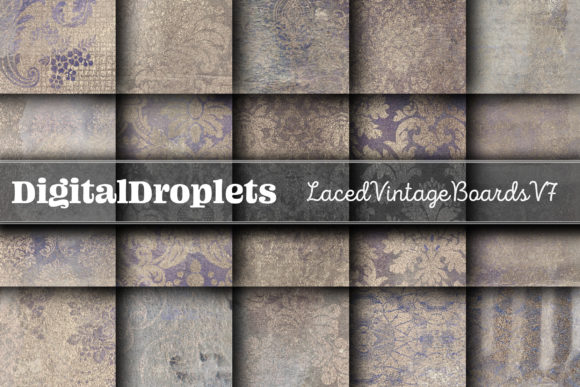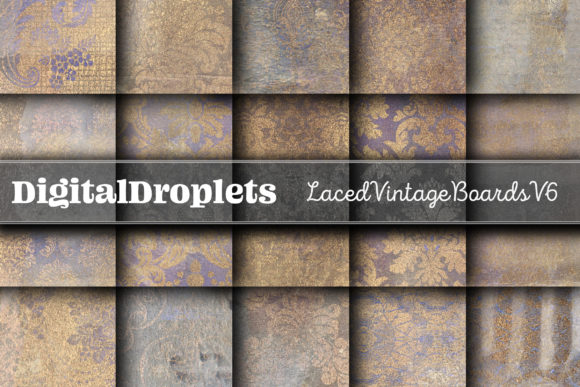
Laced Vintage Boards Vol. 1: Timeless Texture for Modern Design
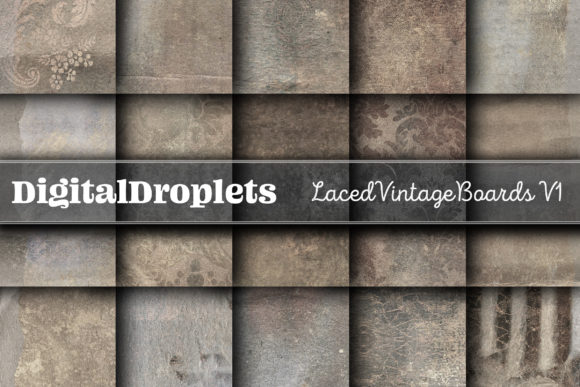
There's a certain magic in the tactile feel of old cardboard, the intricate whisper of antique lace, and the subtle depth of aged damask patterns. For designers and creators, capturing that authentic, layered vintage aesthetic can be a challenge. The Laced Vintage Boards Vol. 1 | Collection is a thoughtfully curated set of 10 digital papers that solves this problem by delivering rich, textured backgrounds ready for immediate use. Each 12x12, 300dpi paper is a unique composition, blending cardboard textures with overlaid lace and damask patterns to create a versatile foundation for a wide array of projects.
The Anatomy of the Aesthetic: What Makes These Papers Unique
At its core, this collection is a study in layered texture. The base is a believable cardboard texture—not a flat, digital simulation, but one that suggests grain, slight imperfections, and a history of handling. On top of this, intricate lace and damask patterns are applied, creating a sophisticated interplay between the rustic and the refined. The result is a background with significant visual depth and a personality that feels both warmly nostalgic and elegantly designed. This isn't a simple, repeating pattern; each of the 10 papers offers a distinct combination, ensuring variety and preventing visual monotony in multi-page projects.
The overall appeal lies in its versatility within a specific niche. It speaks directly to the vintage, shabby chic, and rustic romantic styles without being overly saccharine. The cardboard grounds the design in authenticity, while the lace adds a touch of delicate craftsmanship. This duality makes it a powerful design asset for projects that need to feel handmade, personal, and rich with narrative.
Practical Applications: From Digital to Handcrafted
The true value of a resource like the Laced Vintage Boards Vol. 1 | Collection is measured by how many creative doors it opens. Its high-resolution, square format makes it exceptionally adaptable. Here’s where it shines:
- Scrapbooking & Junk Journals: This is its most natural home. These papers provide instant, layered backgrounds for digital or printed scrapbook pages. They serve as perfect foundations for photos, ephemera, and journaling. In a junk journal, they can be printed and used as cover materials, endpapers, or signature backgrounds.
- Card Making & Invitations: For birthday cards, wedding invitations, or thank-you notes, these textures add a level of sophistication and tactile interest that flat color cannot achieve. They work beautifully as full backgrounds or as die-cut elements like tags, frames, and washi tape strips.
- Branding & Marketing: Small businesses in the handmade, artisanal, or boutique space can leverage these textures for a cohesive brand identity. Use them for product packaging backgrounds, social media post templates, website hero images, or as textures in logo presentations. They communicate craftsmanship, history, and attention to detail.
- Digital Content & Publishing: Bloggers and content creators can use these as photography backdrops for styled flat lays. They’re excellent for creating Pinterest graphics, e-book covers, or digital magazine layouts that require a vintage or editorial feel.
- Home Decor & Physical Crafts: The applications extend into the physical world. These files can be printed for custom gift wrap, framed as wall art, or used to create unique planner stickers and decorative envelopes.
Integrating Texture into Your Design Workflow
Using textured backgrounds effectively requires a bit of strategic thinking. The goal is to enhance, not overwhelm. Here are some practical considerations when working with a collection like Laced Vintage Boards Vol. 1:
- Establish Visual Hierarchy: A busy, textured background can compete with your primary content. Use it strategically. It often works best behind simpler graphic elements, or in areas where you want to draw the eye with texture rather than bold type. Pair it with clean, modern typography—a simple sans-serif or a crisp serif font—to create a compelling contrast between old and new.
- Consider Readability: If overlaying text, ensure there is sufficient contrast. You might need to add a semi-transparent shape or a subtle vignette behind your text to make it legible. The patterns in this collection are designed to be backgrounds, not foregrounds, so they generally support text well when used thoughtfully.
- Font Pairing is Key: The vintage aesthetic of these papers opens up interesting font pairing opportunities. A script font or handwritten font can amplify the personal, crafted feel. A sturdy serif font can echo the traditional, timeless quality. For a more contemporary twist, pairing with a clean sans-serif font can prevent the design from feeling dated and instead make it feel intentionally retro.
- Evaluate Commercial Licensing: For designers and entrepreneurs, understanding the license is crucial. This collection is sold for commercial use, allowing you to incorporate these textures into products you sell, like printed invitations, digital templates, or physical journals. Always review the specific license terms to ensure your intended use is covered.
- Test and Sample: The creator mentions offering sample freebies. This is an invaluable step. Before committing to a large project, test a sample paper with your specific fonts, colors, and images to see how they interact in your unique context.
The Laced Vintage Boards Vol. 1 | Collection is more than just a set of pretty papers; it's a toolkit for adding depth, story, and a tangible sense of history to your creative work. By understanding its strengths and applying it with intention, you can elevate projects across the spectrum, from a personal scrapbook to a professional brand campaign, all while maintaining a consistent and authentic visual voice.