Rusty Vintage Papers Vol.26: Grungy Textures for Authentic Projects
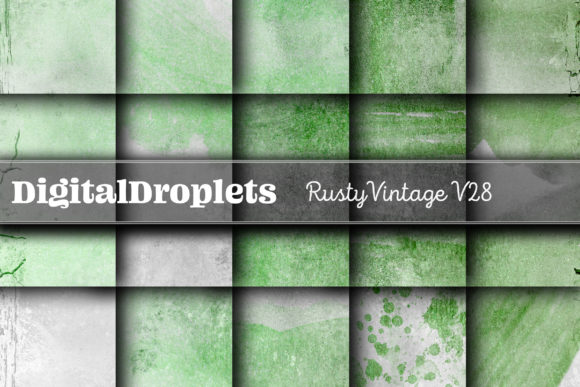
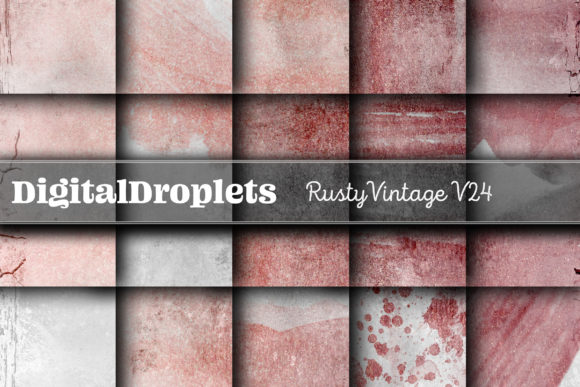
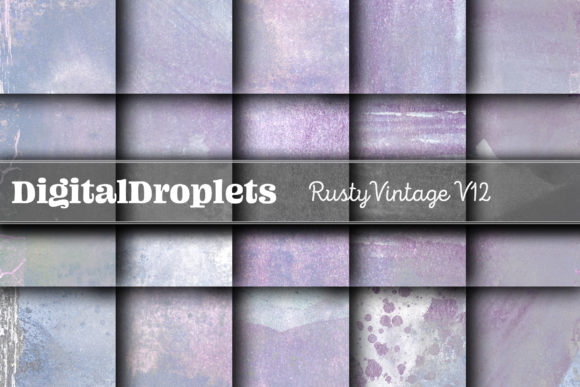
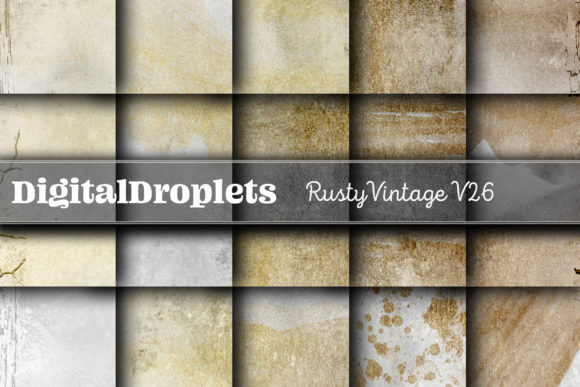
Sourcing the right texture for a vintage-inspired project often feels like a compromise. You find a background that has the right color palette, but the texture is too uniform, or it looks digitally generated. The Rusty Vintage Papers Vol.26 | Collection offers a distinct solution to this problem. This set of ten high-resolution backgrounds combines old paper aesthetics with brush stroke textures and unique borders that mimic wood and stone. It is a collection designed not just to sit in the background, but to add depth and character to your work.
Understanding the Visual Character of This Collection
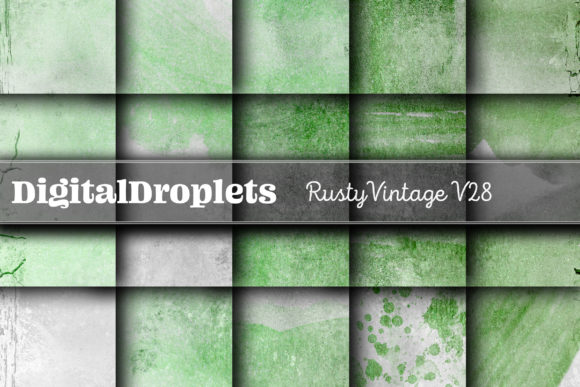
When you open the Rusty Vintage Papers Vol.26 | Collection, you will notice that these are not simple, flat color washes. The defining feature of this set is the layering of elements. Each of the ten papers starts with a base that resembles aged parchment or antique paper. Over this, the artist has blended brush stroke textures, which introduces a sense of movement and imperfection that is hard to replicate manually.
Furthermore, the borders are a standout feature. Unlike standard digital papers that simply fade out or have a clean edge, these designs incorporate wood or stone-like textures into the border itself. This creates a built-in frame effect. Some of these borders are quite pronounced, offering a rugged, structural look, while others are more subtle, allowing the central area of the paper to breathe. This variation within the set gives you options depending on whether you want the texture to be the star of the show or a supportive element in a complex collage.
Practical Applications for Designers and Crafters
The true value of a design asset lies in its versatility. While the Rusty Vintage Papers Vol.26 | Collection is immediately suited for traditional scrapbooking, its utility extends far beyond that niche. For digital designers working on web design or social media graphics, these textures provide an instant way to break the sterile, polished look of modern screens. Using one of these papers as a background for a quote graphic or a product announcement can instantly evoke nostalgia and warmth.
For those involved in packaging design or brand identity, the collection offers a tactile quality. If you are designing a label for a craft brewery, a coffee roaster, or a handmade candle brand, these textures can serve as the foundation. They suggest a product that is handcrafted and authentic. Because the set includes 10 variations, you can maintain a consistent aesthetic across different products while keeping each piece visually distinct.
Consider these specific use cases for the collection:
- Junk Journals and Collages: The grungy textures blend seamlessly with other mixed media elements, reducing the digital "stiffness" of printed pages.
- Photo Album Themes: The vintage style provides a neutral yet atmospheric backdrop that allows black and white or sepia photography to stand out without competing for attention.
- Digital Assets: You can extract the border textures or brush strokes to create washi tape strips, tags, or frames. The wood and stone elements are particularly useful for creating unique badges or seals.
- Invitations and Cards: For events with a rustic or historical theme, these papers eliminate the need to source separate background and border elements.
Integrating Textures into Modern Typography
A common challenge in editorial design and logo design is balancing modern typography with vintage elements. You want the readability of a clean sans serif font, but you want the soul of an old photograph. The Rusty Vintage Papers Vol.26 | Collection bridges this gap. When used as a background, the texture adds "noise" to the canvas. This means you need to be strategic with your text placement.
For headlines, a bold display font or a rugged serif font usually pairs best with these textures. The heavy weight of the letters can stand up to the visual complexity of the brush strokes. If you are using a script font or a handwritten font, look for areas in the paper with less texture—often the center—to ensure legibility.
When working on brand consistency, these papers can define the "mood" of your typography. If your brand voice is authoritative yet approachable, placing your sans serif font text over a subtle stone-textured border from this set can ground the text, making it feel more permanent and established. It is a subtle way to influence audience perception; the texture implies history and durability.
Evaluating Fit and Technical Specifications
Before incorporating any asset into a professional workflow, technical evaluation is necessary. The Rusty Vintage Papers Vol.26 | Collection is provided as 10 high-resolution JPEG files at 300dpi in a 12x12 inch format. This resolution is standard for print production, ensuring that the textures remain sharp even when printed on large formats like wall art or photography backdrops.
However, always test the paper against your specific content. Because the description notes that some borders are more subtle than others, it is worth opening all ten files to categorize them. Group the "loud" textures (those with heavy wood or stone borders) separately from the "quiet" ones. Use the louder textures for standalone items like tags or envelopes, and reserve the quieter ones for complex layouts where text density is high.
It is also important to note the licensing. Since these are premium design assets, ensure your intended use falls within the allowed scope, particularly if you are creating planner stickers or digital downloads for resale. The collection is part of a larger 20-paper set, so if you find this volume works well for your projects, exploring the full collection can provide even more variety for your brand identity toolkit.
Ultimately, the Rusty Vintage Papers Vol.26 | Collection