Rusty Vintage Papers Vol. 29: Crafting Timeless Digital Textures
Understanding the Aesthetic of Rusty Vintage Papers Vol. 29
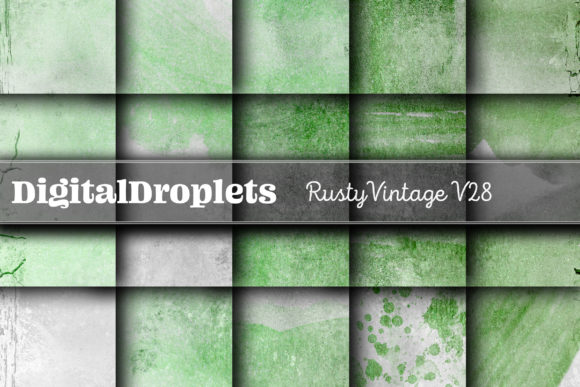
In the realm of digital design, texture is often the unsung hero that transforms a flat composition into a tactile experience. The Rusty Vintage Papers Vol. 29 | Collection serves as a prime example of how high-quality digital assets can bridge the gap between the physical and the virtual. This specific set offers a curated selection of 10 distinct 12x12 papers, designed to evoke the charm of aged materials without the fragility of actual antique documents. For designers and creatives, this collection is not merely a set of backgrounds; it is a foundational element for building a narrative steeped in nostalgia and authenticity.
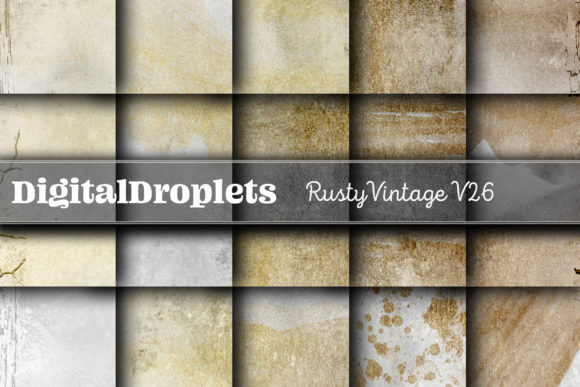
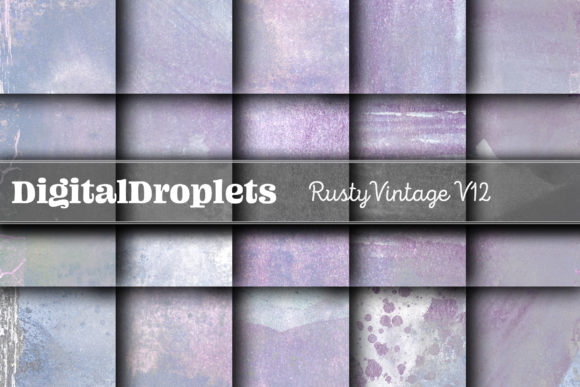
The visual language of the Rusty Vintage Papers Vol. 29 | Collection is defined by its complex layering. At its core, each paper mimics the appearance of old, weathered paper stock, featuring the subtle discoloration and fiber variations found in documents that have survived decades. However, the collection distinguishes itself through the application of grungy brush stroke textures. These strokes are not random noise; they are intentional artistic marks that add depth and movement to the static background. This layering creates a "lived-in" aesthetic, suggesting a history that exists beyond the frame of the design.
Furthermore, the collection pays close attention to framing and borders. Unlike standard digital papers that fade into uniformity at the edges, these files feature unique border treatments. Some incorporate a wood-like texture, evoking the feel of an old crate or a rustic cabin wall, while others utilize stone-like elements to ground the design with a sense of permanence. The variation in the intensity of these textures—some subtle, some more pronounced—ensures that designers can select the perfect backdrop depending on whether they want a background that whispers or one that commands attention. This premium font style approach to texture design ensures versatility across various creative contexts.
Strategic Applications in Branding and Marketing
For entrepreneurs and brand strategists, the choice of design assets speaks volumes about a brand's personality. The Rusty Vintage Papers Vol. 29 collection is an excellent resource for brands positioning themselves within the artisanal, heritage, or "maker" spaces. When used as a background for a logo design or a hero image on a website, these textures instantly communicate authenticity and craftsmanship. A coffee roaster, a bespoke leather goods shop, or a heritage brewery could leverage these textures to reinforce their brand narrative of slow production and quality materials.
In packaging design, texture plays a crucial role in consumer perception. While the final product may be printed on smooth stock, using these vintage textures in the digital mockup phase or as part of the actual print design can add a layer of tactile intrigue. For instance, using the wood-grain bordered paper as a background for a product label can evoke a sense of tradition and reliability. It moves the brand identity away from the sterile, corporate feel of flat design and toward something warmer and more human.
Social media marketing also benefits significantly from this collection. In a feed dominated by clean, minimalist aesthetics, a grungy, textured background can stop the scroll. Marketers can use these papers as backgrounds for quote cards, promotional announcements, or event invitations. The texture provides enough visual interest to support bold typography—a sans serif font or a handwritten font placed over a rusted paper texture creates a striking contrast that is both legible and stylistically compelling. This approach to social media graphics helps maintain a cohesive look across platforms while injecting personality into the content.
Practical Guide for Digital and Print Projects
The utility of the Rusty Vintage Papers Vol. 29 | Collection extends far beyond standard graphic design. For scrapbookers and memory keepers, this set offers a robust foundation for digital layouts. The 12x12 format and 300dpi resolution are industry standards for print-quality scrapbooking, ensuring that memories preserved digitally will look sharp when printed in photo albums. The "grungy" aesthetic is particularly effective for vintage-themed layouts, helping to unify disparate photos from different eras under a cohesive visual umbrella.
For those involved in junk journaling and mixed media art, these files are incredibly versatile. They can be printed out to create physical backgrounds for collage work, or they can be used to create digital ephemera. Imagine printing the stone-textured paper to create a unique envelope or a set of tags; the texture adds a tactile element that plain cardstock cannot replicate. This ability to transition seamlessly from screen to paper makes the collection a valuable asset for both digital and physical crafters.
When integrating these textures into editorial design or web design, readability is the primary concern. A background with heavy brush strokes or deep grain can compete with text if not handled carefully. The best practice is to use these papers as full-page backgrounds with a slight opacity reduction or as focal points behind headers and pull quotes. For body text, pairing a crisp serif font or a clean sans serif font with these backgrounds ensures that the message remains clear. The texture should support the content, not overshadow it. Using these papers for frames, washi tape strips, or sidebar graphics allows designers to incorporate the vintage charm without compromising the readability of the main article.
Optimizing Workflow with Quality Assets
Efficiency is key for busy creators, and having a reliable library of textures like the Rusty Vintage Papers Vol. 29 | Collection streamlines the creative process. Instead of spending hours sourcing raw materials or creating textures from scratch, designers can immediately apply these high-resolution files to their projects. The consistency within the set—despite the unique variations of each paper—ensures that multiple assets used in a single project will feel harmonious.
For content creators and bloggers, these textures offer a quick way to elevate the production value of their work. Whether creating a blog design header, a photography backdrop for product shots, or wall art for a digital download shop, the quality of the asset matters. High-resolution files (300dpi) prevent pixelation, which is crucial for maintaining a professional image. The "premium" feel of these textures helps creators stand out in a saturated market, signaling to their audience that they value quality and attention to detail.
Ultimately, the Rusty Vintage Papers Vol. 29 | Collection is more than just a set of digital files; it is a toolkit for storytelling. Whether you are designing a wedding invitation that needs a touch of romance, a planner sticker that feels cozy, or a marketing brochure that needs to convey heritage, these papers provide the visual vocabulary to do so. By understanding the characteristics of the textures and applying them thoughtfully, designers can create work that resonates emotionally with their audience, bridging the gap between the digital screen and the tangible world.