Rusty Vintage Papers Vol. 4: A Designer's Textured Toolkit
More Than Just a Background
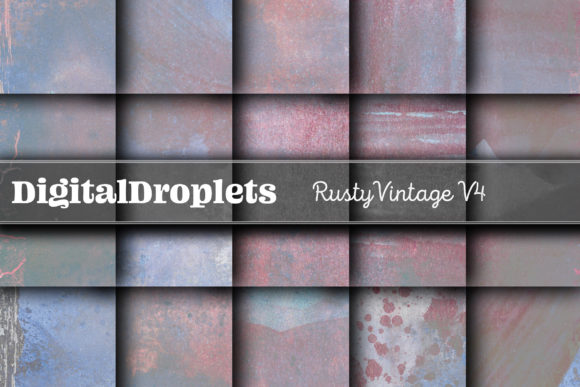
Let's be honest, finding the right background for a project can be a real pain. You need something with character, something that doesn't look like it came from the first page of a stock photo site. That's where a resource like the Rusty Vintage Papers Vol. 4 | Collection comes in. This isn't just a random assortment of old-looking paper. It's a curated set of 10 high-resolution 12x12 digital papers, each one built from layers of visual history. Think of it as a designer's time machine.
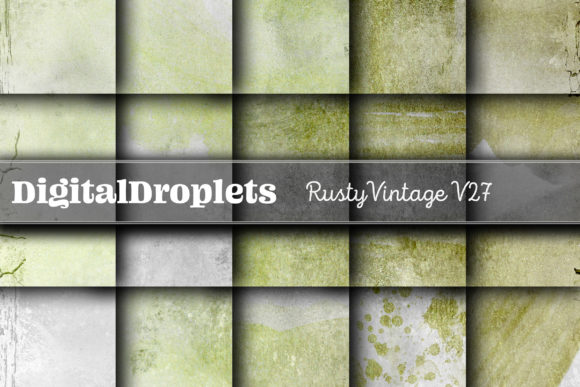
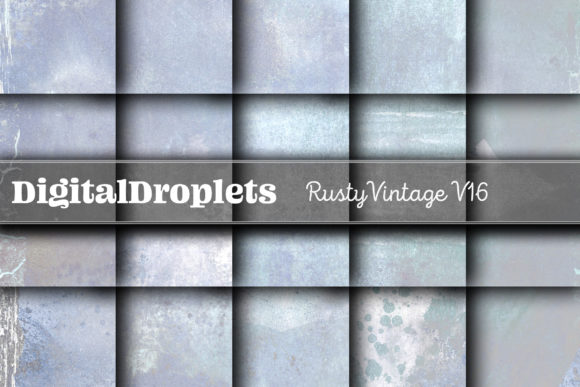
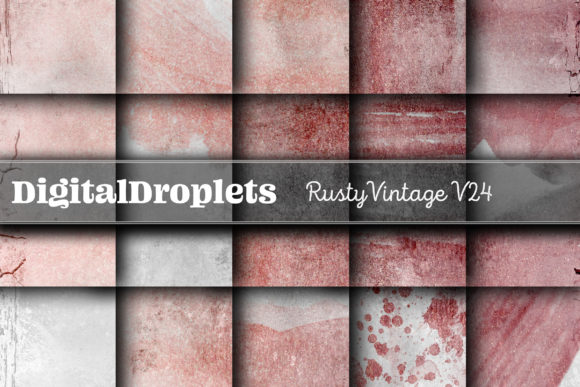
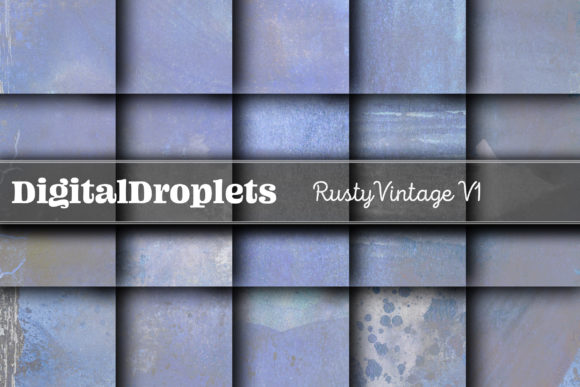
The core of this collection is its authentic, grungy texture. We're talking about visible brush stroke overlays that have been carefully blended onto foundations that mimic aged, weathered paper. What really sets these apart, though, are the unique borders. Each paper has its own distinct frame, some featuring a subtle wood grain texture, others with a more pronounced stone-like effect. It's this attention to detail that prevents the papers from feeling flat or repetitive. One might have a barely-there, soft vignette, while another has a border that feels like it was carved from weathered oak. This variation is crucial for designers who need a cohesive yet diverse toolkit.
Where This Collection Truly Shines
The practical applications for a set like this are surprisingly broad. For anyone in scrapbooking or creating junk journals, these papers are a perfect foundation. They instantly add depth and a sense of history to a page, making your photos and ephemera look like they've been part of a story for years. The Rusty Vintage Papers Vol. 4 | Collection provides a ready-made aesthetic that saves hours of trying to achieve a similar effect from scratch.
But its use extends far beyond personal crafting. Consider these real-world scenarios:
- Brand Identity & Packaging: A small-batch coffee roaster or a artisanal soap maker could use these textures in their logo design mockups or on packaging design elements. The gritty, authentic feel communicates craftsmanship and a hands-on approach, which is a powerful part of a brand identity.
- Editorial & Web Design: As a web design background for a vintage clothing blog or a heritage-themed website, these papers set the mood instantly. They work beautifully behind text blocks or as section dividers in editorial design, adding a layer of tactile realism to a digital page.
- Marketing & Social Media: Creating social media graphics that stand out is a constant challenge. Using one of these papers as a background for a quote, a promotion, or a product shot can give your feed a distinct, cohesive look. It's a simple trick that elevates your visual content and helps with audience engagement.
- Digital & Print Projects: The high 300dpi resolution means these files are perfect for print. Think birthday cards, event invitations, gift wrap, or even wall art. For digital creators, they're ideal for planner stickers, blog design elements, or photography backdrops for styled product shots.
Making It Work: Practical Design Considerations
Having a great asset is one thing; using it effectively is another. The first thing to do with the Rusty Vintage Papers Vol. 4 | Collection is to look at all ten options. Even though you get ten in this set (which is part of a larger 20-paper collection), get a feel for the range. Some borders are bold, others are whispers. Match the paper's intensity to your project's needs.
Next, think about font pairing. This is where many projects succeed or fail. A heavily textured background demands a clean, legible typeface. A simple, modern sans serif font or a sturdy serif font will provide excellent contrast and ensure your message isn't lost. Avoid overly ornate script fonts or detailed handwritten fonts for body text, as they can become illegible. Use them sparingly for headlines where the texture can complement, not compete.
Finally, consider the overall visual hierarchy. These papers are designed to be a supporting actor, not the star. Use them to frame content, create borders for tags or washi tape strips, or as a base layer. The goal is to let the texture enhance the perceived value and professionalism of your work, not overwhelm it. Test your design by viewing it at a small size or from a distance. If the core message is still clear, you've found the right balance. This kind of thoughtful application is what separates good design from great design, and it's how you turn a design asset like this into a cornerstone of a recognizable and engaging brand identity.