Rusty Vintage Papers Vol.27 | Collection: A Designer's Toolkit for Texture
The Aesthetic of Authentic Age
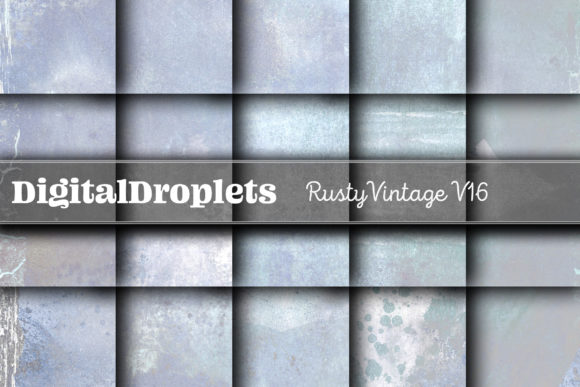
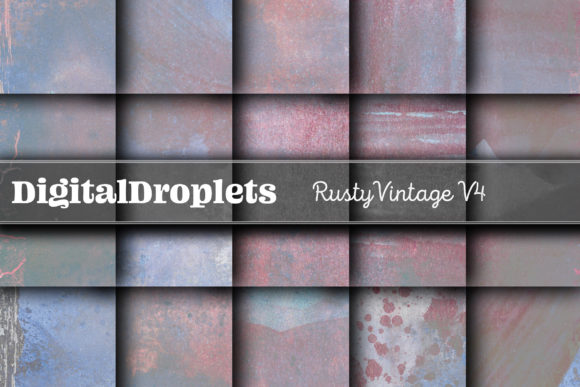
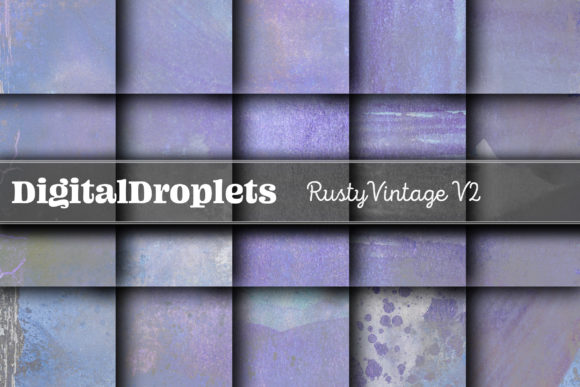
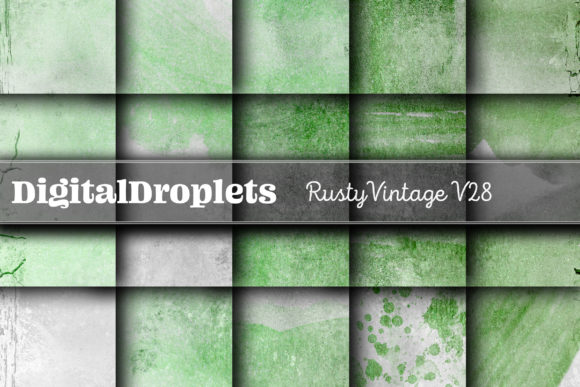
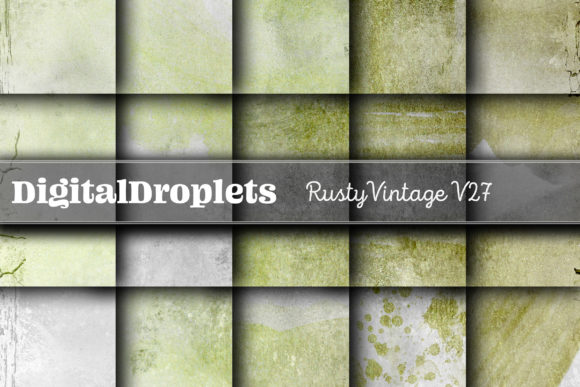
Finding a digital asset that genuinely feels like it has a history can be a challenge. The Rusty Vintage Papers Vol.27 | Collection is a set of ten 12×12 inch, 300dpi JPEG files that manages to do just that. This isn't a simple overlay of a paper texture; it's a carefully constructed layering of visual elements designed to evoke a specific, tactile feeling. Each paper in this collection starts with a foundation that mimics old, aged paper, possessing the subtle discolorations and gentle wear you'd expect from something found in an attic or a dusty antique shop.
What sets the Rusty Vintage Papers Vol.27 | Collection apart is the additional layer of grungy, brush stroke textures blended over this base. This creates a sense of depth and artistic imperfection. The effect is organic, as if each sheet has been individually treated. The defining feature, however, is the unique border on every single paper. These are not uniform lines but integrated design elements, with textures that resemble weathered wood or rough-hewn stone. Some borders are bold and pronounced, offering a strong frame for content, while others are more subtle, fading gently into the main background. This variation within the collection is a significant advantage, providing a range of visual weights from which to choose.
Practical Applications Across Creative Disciplines
The true value of a design asset like the Rusty Vintage Papers Vol.27 | Collection lies in its versatility. For digital creators, these papers serve as immediate, high-quality foundations. A graphic designer can use one as the background for a social media graphic, instantly establishing a warm, nostalgic, or rugged brand tone without hours of manual texture creation. Bloggers and content creators find them invaluable for crafting featured images, newsletter headers, or printable quotes that stand out in a crowded digital space. The 12×12 inch, 300dpi specification makes them perfectly suited for print-on-demand projects, ensuring crisp results on everything from planners and stickers to small posters and gift wrap.
For those in the physical craft world, the applications are even more direct. Scrapbookers and junk journal artists can use these as complete page backgrounds, layering photos, ephemera, and journaling on top. The pre-designed borders can frame a central image or be creatively cut and repositioned. Card makers will appreciate how a single sheet can be trimmed and folded to create a stunning, textured base for a greeting card, with the border acting as a natural decorative edge. The papers also work beautifully for creating custom washi tape strips, tags, envelopes, and frames, adding a cohesive, handcrafted feel to any project. The key is to see them not as static backgrounds, but as foundational materials for building upon.
Integrating Texture into Brand and Design Strategy
When used thoughtfully, textures from a collection like Rusty Vintage Papers Vol.27 can significantly influence brand perception and audience engagement. In a landscape often dominated by clean, flat digital design, incorporating a tangible, vintage texture can make a brand feel more human, approachable, and authentic. This is particularly effective for businesses in the artisan, boutique, café, or heritage product spaces. The texture communicates a story of craftsmanship and attention to detail before a single word of copy is read.
From a design principle perspective, these textured backgrounds are excellent for establishing visual hierarchy. Placing a clean, modern sans serif font or a crisp serif font over a subtly textured paper from this collection creates a compelling contrast. The texture provides visual interest and depth, while the typography remains highly legible and commands attention. This interplay between a complex background and clean foreground elements is a hallmark of sophisticated editorial and web design. It guides the viewer's eye and makes the content feel more substantial and curated.
Considerations for Effective Use
Before incorporating the Rusty Vintage Papers Vol.27 | Collection into a project, a few practical considerations will ensure the best results. First, always test readability. The grungy textures and borders, while beautiful, can compete with text if not managed properly. Using bold, high-contrast typefaces for headlines and ensuring body text has sufficient size and leading is crucial. Sometimes, a slight reduction in the background paper's opacity or a subtle dark vignette around the edges can help foreground elements pop without losing the textural character.
Second, think about cohesion. While the ten papers share a common aesthetic, their individual personalities—from the wood-grained borders to the stone-like edges—offer variety. For a multi-page project like a digital lookbook or a series of social media posts, you might select two or three complementary papers from the set to create a consistent yet dynamic look. This approach maintains brand recognition while preventing visual monotony. Finally, remember the commercial license. This set is designed for both personal and commercial use, allowing you to integrate these textures into client work, products for sale, and branded materials, making it a valuable addition to any designer's library of creative assets.