Laced Ink Vintage Vol. 12 | Collection: A Designer's Guide
There’s a specific kind of texture that digital projects often miss. It’s the feeling of aged paper, the subtle impression of a damask pattern pressed into cardboard, or the unpredictable bleed of alcohol ink. This is the visual personality at the heart of the Laced Ink Vintage Vol. 12 | Collection. It’s not just a set of backgrounds; it’s a toolkit for injecting immediate character and history into your work. As a designer, I reach for assets like this when a project needs to feel established, tactile, and rich with narrative, without the hassle of scanning or creating textures from scratch.
Understanding the Visual Language
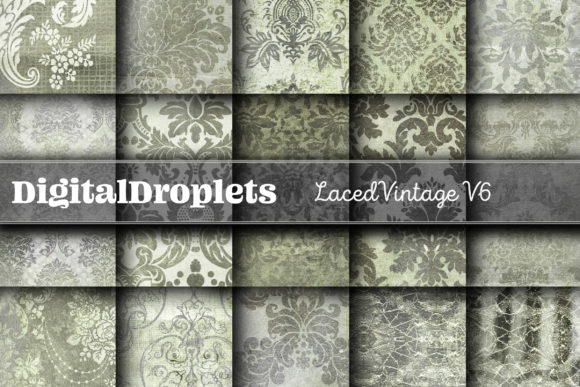
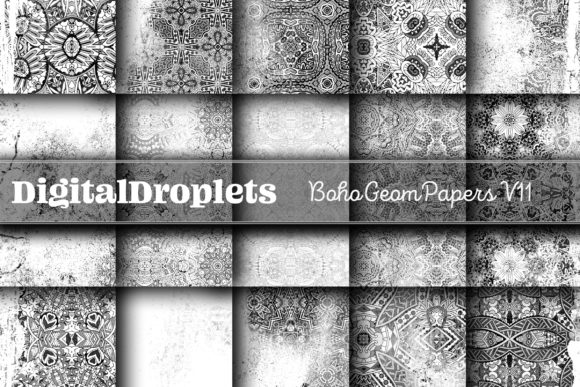
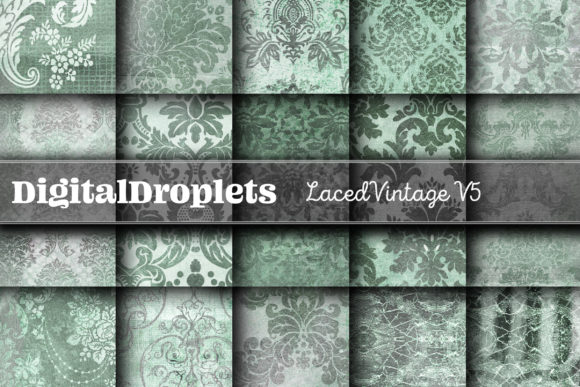
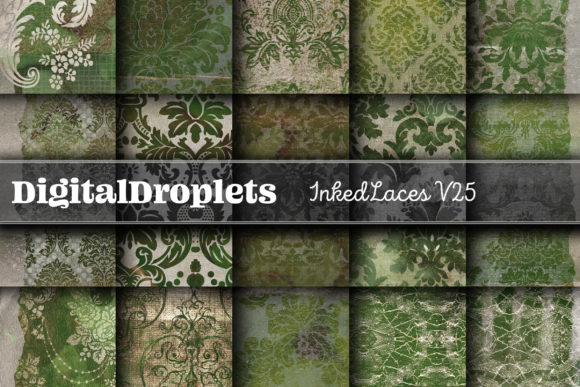
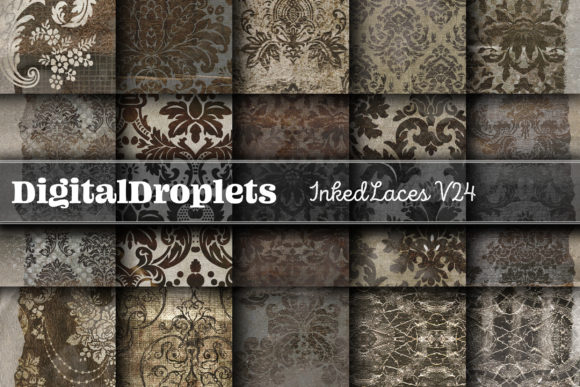
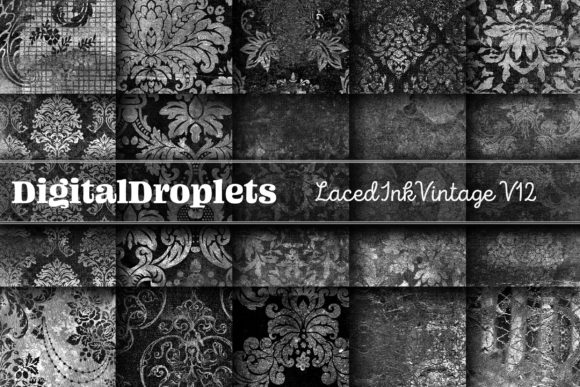
Let's break down what you're actually getting with the Laced Ink Vintage Vol. 12 | Collection. At its core, this is a set of 10 high-resolution, 12x12 300dpi JPEG papers. The magic is in the layering: intricate lace or damask patterns are overlaid onto a cardboard-textured base. Then, washes of alcohol ink or watercolor are blended in, creating soft, organic color shifts. Each paper features a subtle, unique border, adding a finished, framed quality that can save significant time in layout design. This combination results in a premium font for the background world—complex, sophisticated, and ready for professional application.
The overall appeal is one of curated imperfection. It’s vintage, but not kitschy. The textures feel authentic, suggesting handmade journals, antique correspondence, or faded wallcoverings. This makes it an exceptionally versatile design asset. It can support a delicate script font for a wedding invitation or provide a rugged foundation for a bold, modern sans serif font in a brand identity for a craft brewery. The personality is flexible because it’s grounded in real-world materiality.
Practical Applications: From Digital to Print
The true value of a resource like the Laced Ink Vintage Vol. 12 | Collection is measured in its utility. Where does this aesthetic actually strengthen a project? Let’s move beyond the obvious scrapbooking page (where it excels, of course) and look at professional and commercial uses.
For brand identity, these papers can define a brand’s texture. Imagine a boutique bakery using a softened version of one of these papers as the background for their logo design on packaging, or a author using it as the chapter opener in their self-published novel. It immediately communicates a sense of craft and attention to detail. In editorial design, they make superb backgrounds for pull quotes or sidebars in magazines and blogs, adding visual interest without competing with the main content.
In the digital sphere, they are gold for social media graphics. A food blogger can use a paper as a base for recipe cards, instantly elevating a simple post. For web design, a heavily faded version could work as a subtle website background, adding warmth and depth. The set is also perfect for creating mockups for packaging design, giving product shots a realistic, styled environment. Think of them as the digital equivalent of a well-worn desk or a linen tablecloth for your content.
Integrating into Your Creative Workflow
Knowing the asset is useful is one thing; implementing it effectively is another. Here’s some practical guidance on working with the Laced Ink Vintage Vol. 12 | Collection.
Evaluate the Project Fit: Not every project calls for this level of texture. It’s ideal for themes of heritage, craftsmanship, nostalgia, romance, or rustic elegance. It might overwhelm a ultra-minimalist tech startup’s collateral, but it would be perfect for a vintage-inspired apparel brand or a literary journal. Always test the background with your primary text. Overlay your chosen typeface—whether it’s a clean serif font or a modern display font—and check for readability. The textures are designed to be subtle, but always verify at 100% zoom.
Font Pairing is Key: These backgrounds have a strong voice, so your typography needs to complement, not clash. A highly ornate script font might get lost in a busy damask pattern. Instead, pair the textured background with cleaner, more structured typefaces. A simple, elegant serif font or a geometric sans serif font often creates a beautiful contrast, allowing the text to remain the clear focal point while the background adds atmosphere. This is a core principle of effective font pairing and maintaining visual hierarchy.
Explore the Full Potential: Don’t just use these as flat backgrounds. They are fantastic for creating derived assets. Use them to make digital washi tape strips, tags, envelopes, and frames for your designs. They can serve as unique photography backdrops for styled product shots. The possibilities for home decor prints, planner stickers, and invitations are vast. Remember, the 10 papers are part of a larger 20-paper set, with the listing showing a random sample. If you find you love the style, the full collection offers even more variety for creating a cohesive yet interesting brand system or project series.
Ultimately, the Laced Ink Vintage Vol. 12 | Collection