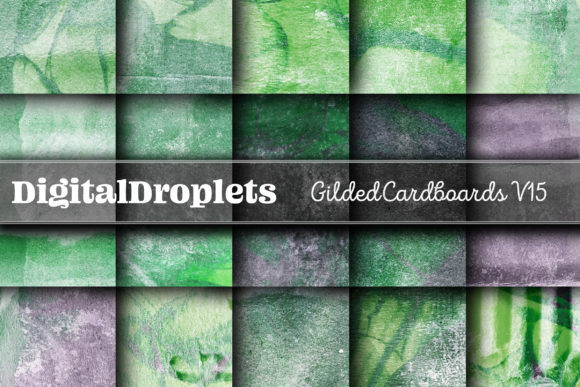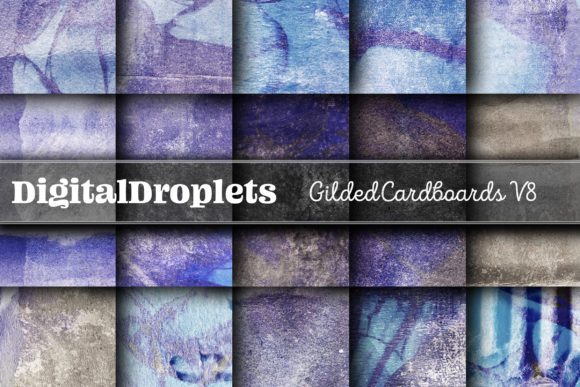
Gilded Cardboards Vol. 8: Unearthing Vintage Texture for Modern Projects
When you are building a visual identity, the foundation is everything. We often get caught up in the search for the perfect premium font or the ideal color palette, but we frequently overlook the tactile quality that brings a design to life. This is where Gilded Cardboards Vol. 8 | Collection enters the conversation. It is not just a set of digital files; it is a toolkit for adding immediate depth, history, and character to your work. As a set of 10 unique 12x12 high-resolution backgrounds, this collection blends raw cardboard textures with shabby, grungy overlays to create a visual language that speaks of authenticity and worn elegance.
The appeal of this specific set lies in its versatility. Whether you are a digital scrapbooker preserving memories or a brand strategist looking to inject some grit into a brand identity, these textures provide a robust starting point. Each paper features a unique border, a subtle detail that frames your content without the need for additional design assets. This collection works exceptionally well for anyone who appreciates the "imperfect" aesthetic—a style that has become increasingly popular in modern editorial design and packaging design.
The Aesthetic: Blending Grit with Elegance
Let’s talk about the visual personality of Gilded Cardboards Vol. 8. The term "cardboard" might initially suggest something purely industrial, but the "gilded" aspect changes the narrative. These backgrounds mimic the look of aged materials—think of a vintage shipping crate that has been repurposed into a piece of art, or an old library shelf that has seen decades of use. The textures are shabby and grungy, but they are not chaotic. There is a controlled decay here, a sophistication in the wear and tear that makes these papers suitable for high-end creative projects.
For those working in web design or social media graphics, texture is often the missing ingredient that separates a flat, lifeless layout from an immersive experience. Using a background from this collection immediately adds a layer of tactile realism. It suggests that the content placed upon it is substantial and trustworthy. This is particularly useful for blog design or photography backdrops, where the background needs to support the main subject without stealing the show. The muted, earthy tones typical of cardboard textures ensure that text—whether it is a bold sans serif font or a delicate script font—remains legible and prominent.
Practical Applications: From Junk Journals to Commercial Assets
The utility of Gilded Cardboards Vol. 8 extends far beyond simple backgrounds. Because these are high-resolution (300dpi) JPEG files, they are built for print. This makes them ideal for junk journals, where the goal is to create a layered, tactile experience. You can print these papers to create custom envelopes, tags, and washi tape strips. The "shabby" nature of the textures means they are forgiving; they hide imperfections in cutting and gluing, which is a massive advantage for hands-on crafters.
However, let’s pivot to the commercial side. If you are an entrepreneur or a small business owner, consider how these textures can elevate your packaging design. A product wrapped in paper that features a subtle, grungy cardboard texture feels handmade and artisanal. It communicates care and craftsmanship. Similarly, for logo design, placing a vector logo over one of these backgrounds for a mockup presentation can help clients visualize the brand in a real-world context. It moves the logo from a sterile white screen into an environment that feels lived-in and authentic.
Design Strategy: Pairing and Implementation
How do you integrate these textures into a polished workflow? The key is font pairing. The rough, organic nature of the cardboard texture contrasts beautifully with clean, geometric typefaces. Try pairing a background from Gilded Cardboards Vol. 8 with a modern serif font for headlines. The contrast between the structured, sharp edges of the serif letters and the worn, fibrous texture of the background creates a dynamic visual hierarchy.
Alternatively, if you are going for a more bohemian or rustic vibe, a handwritten font works wonders. The irregularity of the handwriting mimics the irregularity of the grunge texture, creating a cohesive, harmonious look. When using these papers for invitations or birthday cards, pay attention to the unique borders included in the set. These borders act as natural frames. You don't need to add a heavy stroke or a drop shadow to your layout; simply align your text within the visual boundary of the texture's edge, and the design will feel complete.
Technical Considerations and Licensing
When working with digital design assets, technical specifications matter. Gilded Cardboards Vol. 8 provides 12x12 inch files at 300dpi. This is the industry standard for print quality. Whether you are printing wall art, planner stickers, or gift wrap, you won't lose resolution or see pixelation. For digital use, such as blog design or email headers, you may need to resize or crop the images, but the high resolution ensures that even a cropped section remains sharp and clear.
It is also worth noting the context of the collection. This set is part of a larger 20-paper collection, with this specific listing offering 10 distinct variations. This modularity is helpful for content creators who need variety but want to maintain a consistent aesthetic. You can use one texture for the background of a social media campaign and another for the corresponding email newsletter, maintaining brand consistency while avoiding visual monotony.
For marketers and publishers, the ability to use these textures across multiple platforms is a significant asset. Use them as photography backdrops for product shots to create a consistent "flat lay" aesthetic. Use them in collages to blend disparate images into a unified composition. The "grungy" style is particularly effective for projects related to music, vintage fashion, artisanal food, or heritage brands. It evokes a sense of history and durability.
Final Thoughts on Creative Flexibility
Ultimately, Gilded Cardboards Vol. 8 | Collection is about flexibility. It is a resource that adapts to your needs rather than dictating a rigid style. It allows designers to experiment with layering and blending modes—try setting your text layer to "Multiply" or "Overlay" to let the texture show through the letters for a truly integrated look.
Whether you are creating a moody, atmospheric piece of digital art or a warm, inviting home decor